
Sustainability
The greatest threat to our planet is the belief that someone else will save it - Robert Swan
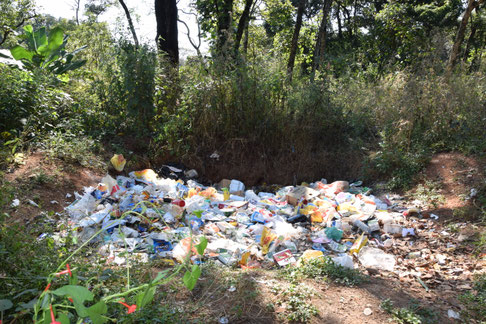
We recognise our social and ethical responsibility to contribute to environmental preservation. Therefore, we strive to reduce our carbon emissions, minimise waste, and use energy and resources responsibly, while maintaining the high quality of our research. We believe in leading by example, demonstrating that sustainability can be integrated into research without compromising its excellence. However, we also acknowledge that everyone starts from a different place and that not all sustainable choices are equally accessible to everyone. Our approach is not about imposing rules or moralising but about making informed and mindful decisions that balance environmental responsibility with the practical needs of our work.
Sustainability is not always easy, especially given that our university is in a remote area and some of our research requires international travel. However, we make conscious efforts to minimise our impact wherever possible. As part of this commitment, we have developed sustainability guidelines, which are also part of our lab manual. In addition, we discuss sustainability in our lab meetings, exchange ideas on how to improve our practices, and actively contribute to wider university and research initiatives that promote environmental responsibility. See below for some steps we take.
Sustainable Travel
We believe that travel is an essential part of scientific collaboration, education, and dissemination, and we recognise that online meetings may not always provide the same opportunities as in-person events. However, we critically assess our travel choices to reduce unnecessary emissions. Whenever possible, we:
- travel by public transport and encourage car sharing.
- avoid air travel within the UK, if possible.
- carefully evaluate the necessity of an international event, conducting a cost-benefit analysis to maximise the benefits of any trips we take (which might include combining them with holidays!).
Energy and Resource Efficiency
We think that even small everyday actions can make a big difference. In our lab, we:
- turn off lights and equipment when not in use.
- save leftover food from events.
- avoid unnecessary printing and reuse paper whenever possible.
- use energy-efficient devices and encourage the use of rechargeable batteries.
- opt for digital instead of paper-based note-taking and documentation.
Responsible Data Storage
Many of our studies rely on video recordings, which require significant digital storage. To minimise the environmental impact of data storage, we:
- remove unnecessary audio and use the lowest resolution possible for our research needs.
- compress files (e.g., using HandBrake).
- store data securely on servers powered by renewable energy, such as solar, rather than fossil fuels.
- periodically review stored data and delete anything no longer required (yes, deleting research data can be difficult, but we want to prioritise keeping only essential files).
Resource Sharing and Waste Reduction
We believe that responsible resource use goes beyond reducing waste. To achieve this, we:
- keep an organised inventory to prevent unnecessary purchases.
- consider supplier sustainability, and chose refurbished or second hand equipment where appropriate.
- reduce disposable and often single-use plastics by using durable, reusable or eco-friendly alternatives.
- share lab equipment and resources both within and beyond our team.
- repair and repurpose materials rather than discarding them.
- sort and recycle waste but, above all, strive to avoid creating waste in the first place.
Fieldwork
Fieldwork is an essential part of our research, but it also presents unique sustainability challenges. We follow a strict Leave No Trace policy to ensure our work does not negatively impact the environment. Specifically, we:
- minimise waste and bring back non-biodegradable waste (such as batteries) that may be difficult to recycle locally.
- avoid disturbing wildlife by keeping a safe distance, following ethical observation guidelines.
- respect local ecosystems by staying on designated paths, avoiding damage to vegetation, and following all conservation guidelines.